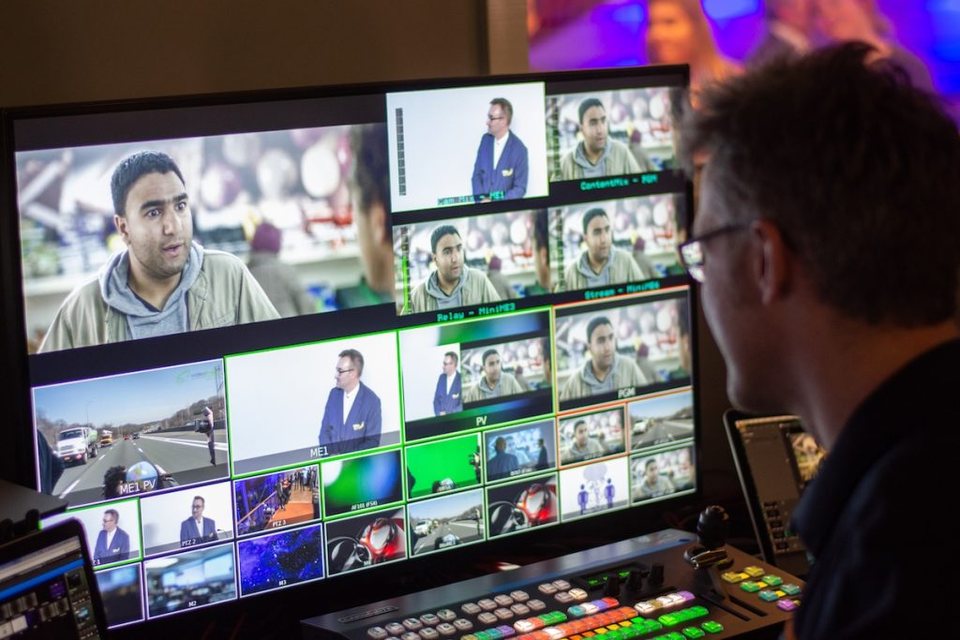
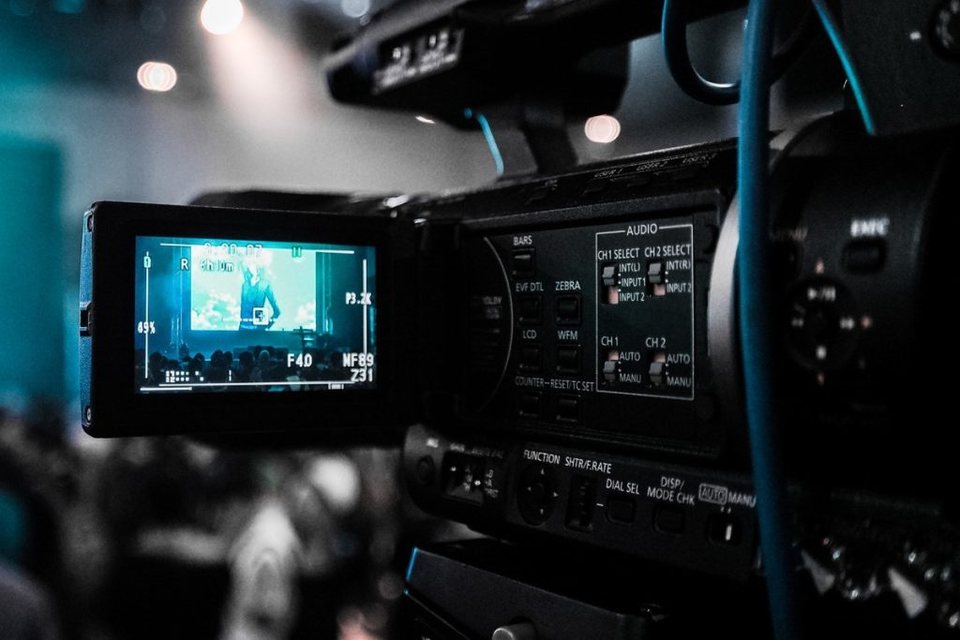
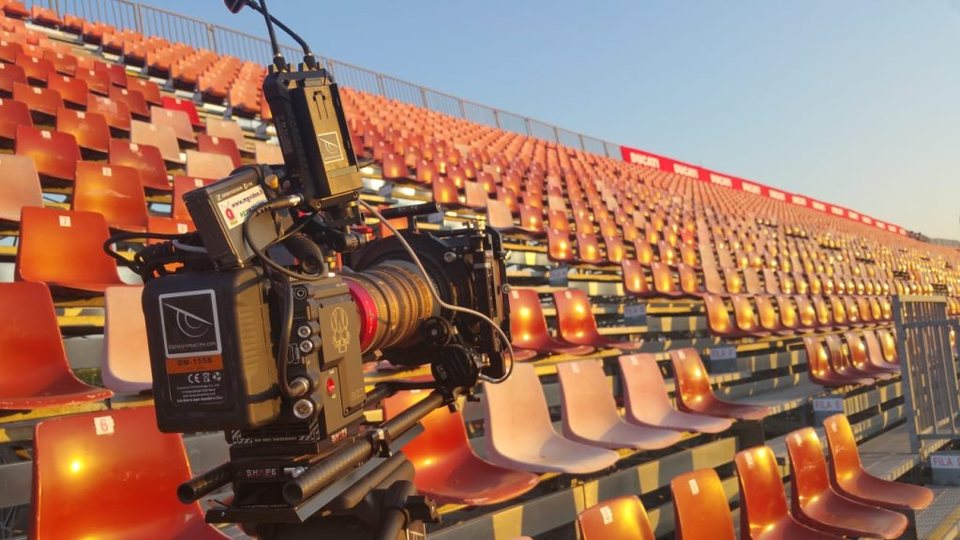
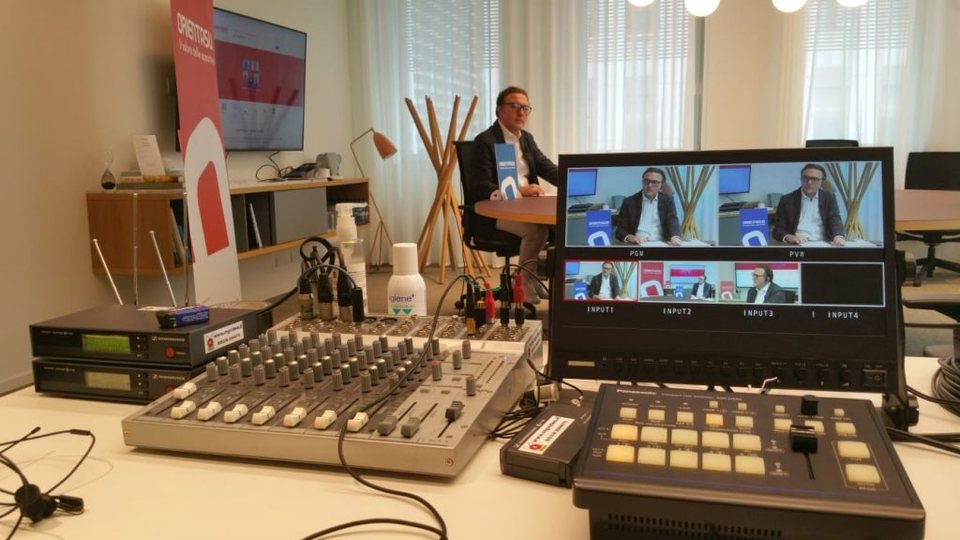
When it isn't possible to hold an event or a lesson in a physical venue, you can choose to broadcast it live online on social networks or on dedicated platforms.
Why miss the chance to showcase your event, introduce a product or interact with your customers and viewers all over the world?
Live streaming was originally created to let people follow an event live without being physically there, as with football matches or concerts. During the Coronavirus lockdown, with public events impossible to organise, more and more companies realised the importance of live streaming and decided to make the most of its potential, running online product launches, discussions, book presentations, lessons and all the meetings that used to take place in physical venues.
To organise a live-streamed event you need to plan a running order, identify your target audience and choose the tool that lets users interact live through comments or questions.
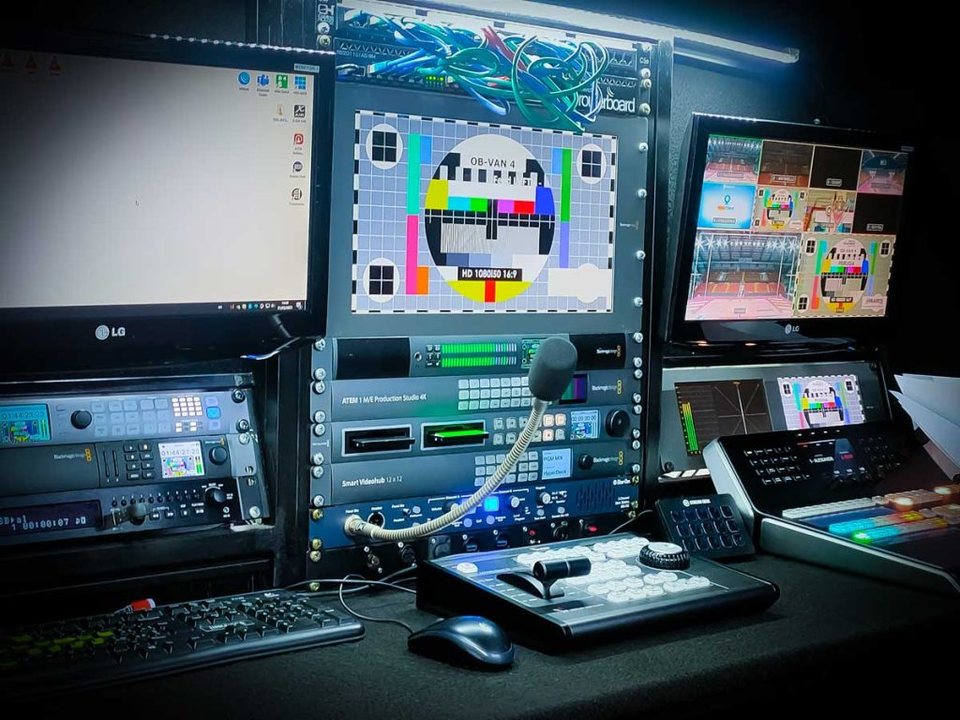
Live streaming has many advantages over a physical event: costs are much lower in terms of both organisation and staff, since all you need is a control room and the technical equipment for the broadcast. Another advantage is that you can reach thousands of people, as there are no audience-capacity limits linked to the type of event or venue. Live-streamed content can also be watched by users after the event has ended, giving you further visibility later on.